
Exploring Senior Communities in the Greater Toronto Area: A Comprehensive 2026 Guide
Senior communities in Greater Toronto Area now serve a rapidly growing population of older adults. According to City of Toronto demographic profiles, residents aged 65 and older represented about 16.8% of the city’s population in 2021, with further increases projected through 2031. This shift shapes demand for independent-living condos, assisted-living residences, and long-term care homes from downtown Toronto to Mississauga, Markham, Vaughan, Brampton, and Pickering, making careful research essential for families planning 2026 moves.
What Types of Senior Communities Exist Across the Greater Toronto Area?
Senior communities in Greater Toronto Area generally fall into three main categories: independent-living, assisted-living, and long-term care. According to Canada Mortgage and Housing Corporation, Ontario’s seniors’ housing sector expanded supply modestly between 2020 and 2023, while demand remained strong. Independent-living communities in neighborhoods such as North York, Etobicoke, and Scarborough often resemble standard condominiums, with on-site dining and recreation, but minimal medical support, suiting healthy, active residents.
Assisted-living residences provide personal-care services, medication reminders, and meal programs. The Ontario Ministry of Health long-term care guide explains that assisted-living can bridge the gap between independent condominiums and licensed long-term care homes. Communities near Sunnybrook Health Sciences Centre, Scarborough Health Network, and Credit Valley Hospital in Mississauga often emphasize quick access to physicians, labs, and rehabilitation services, which matters for residents managing chronic conditions or mobility changes.
Long-term care homes serve seniors requiring 24-hour nursing and significant support with daily activities. According to the same Ontario Ministry of Health resource, provincial long-term care beds operate within a regulated framework that sets staffing and care standards. Facilities in areas such as Yonge and Eglinton, Don Mills, and along Lawrence Avenue East may sit close to transit routes like Line 1 and Line 2, easing family visitation from across Toronto, Markham, Richmond Hill, and Vaughan.
How Do Locations Differ for Senior Communities in the Greater Toronto Area?
Location significantly shapes daily life in senior communities in Greater Toronto Area. Downtown Toronto neighborhoods around Bay Street, Church Street, and the Esplanade provide quick access to St. Michael’s Hospital, Toronto General Hospital, and cultural venues. According to Walk Score, Toronto holds a citywide walk score of about 61 as of 2024, meaning many errands can be completed on foot, which benefits residents who prefer minimizing car use.
Suburban nodes such as Mississauga City Centre near Square One, Markham’s Highway 7 corridor, and downtown Oakville around Lakeshore Road offer a different balance of space and convenience. The Toronto Transit Commission notes reduced fares for seniors, and similar discounts apply on GO Transit serving stations like Union, Clarkson, and Rouge Hill. That combination of discounted transit and relatively dense bus networks around senior buildings on Finch Avenue, Sheppard Avenue, and Kingston Road can reduce transportation costs meaningfully.
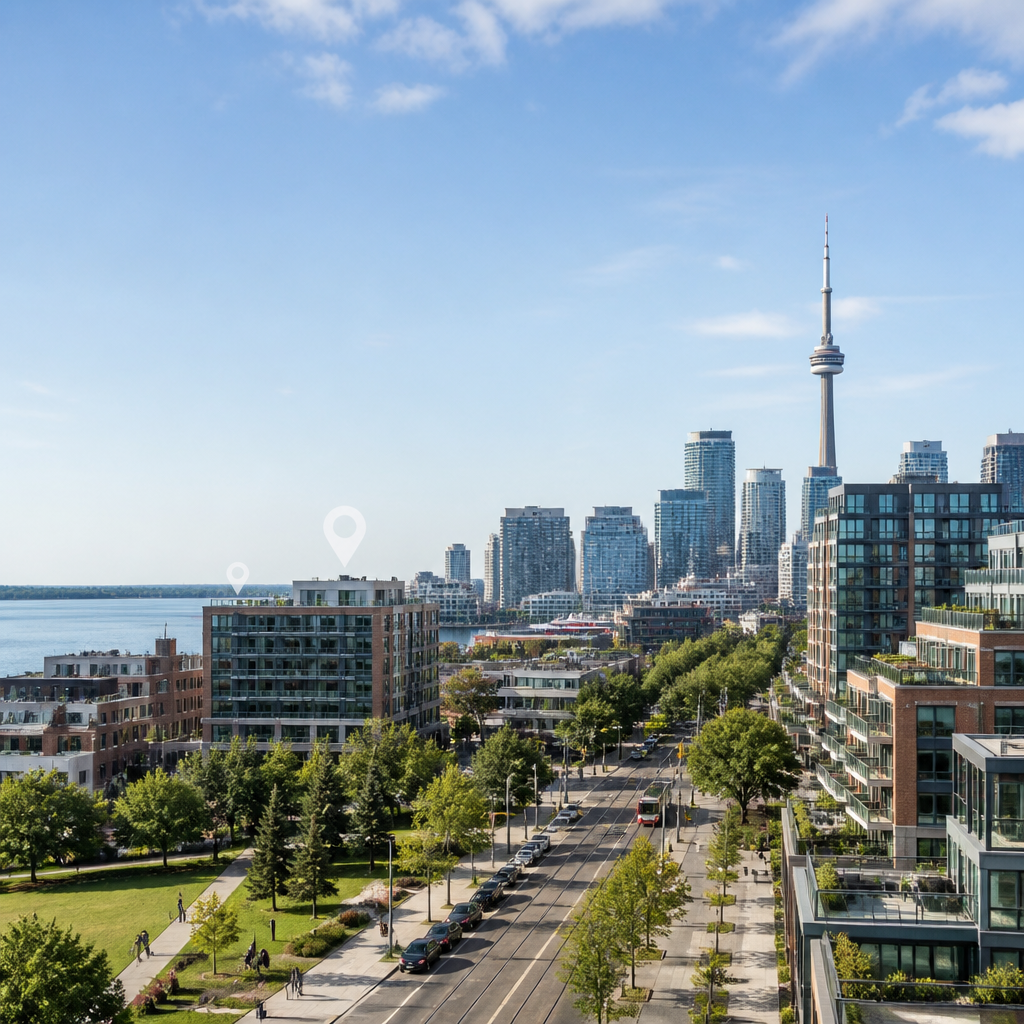
On a mild spring afternoon near Harbourfront Centre, the air carries a mix of lake breeze and roasted coffee drifting from cafés along Queens Quay West. Residents from nearby senior condos stroll slowly toward HTO Park, hearing streetcar bells from Queens Quay and faint music from buskers by the waterfront. The sunlight glitters across Lake Ontario, while benches along the Martin Goodman Trail provide smooth, cool surfaces for a brief rest after visiting the St. Lawrence Market earlier in the day.
What Amenities and Services Do GTA Senior Communities Commonly Provide?
Amenities in senior communities in Greater Toronto Area vary widely but follow some clear patterns. Many independent-living and assisted-living residences offer restaurant-style dining rooms, fitness centers, and structured social calendars. According to a 2023 Ontario seniors’ housing survey by Canada Mortgage and Housing Corporation, a large share of buildings include on-site meal plans and organized recreation. In areas like Yonge and Sheppard, Islington Village, and Port Credit, some senior buildings also integrate ground-floor retail such as pharmacies and cafés, reducing the need for frequent trips.
Health and wellness services feature prominently. Facilities close to North York General Hospital, Michael Garron Hospital in East York, and Trillium Health Partners in Mississauga may coordinate visiting physiotherapists or nurses. According to the Ontario Ministry of Health long-term care guide, regulated homes must meet specific nursing and personal-support staffing levels, typically translating into more intensive daily assistance than unlicensed retirement residences. Some private residences in midtown corridors like Yonge and St. Clair also provide on-site clinics or partnerships with dental and vision providers.
Recreation and social connection influence quality of life as well. Communities near High Park, Centennial Park in Etobicoke, and Scarborough’s Rouge National Urban Park often schedule walking groups, gardening clubs, and outdoor fitness, capitalizing on nearby green space. Buildings close to cultural venues like the Art Gallery of Ontario, Meridian Hall, and TIFF Bell Lightbox may organize theater outings or gallery tours. Regular shuttle services from senior communities in Vaughan, Richmond Hill, and Pickering further extend access to malls, community centers, and places of worship.
How Much Do Senior Communities in the Greater Toronto Area Typically Cost?
Costs for senior communities in Greater Toronto Area depend heavily on location, care level, and suite size. According to 2023 Ontario data from Canada Mortgage and Housing Corporation, average monthly rents in standard seniors’ residences often range between $3,000 and $5,000, with higher figures in central Toronto. Assisted-living packages with greater personal-care support can raise monthly costs by another $800 to $1,500, particularly near hospitals like Mount Sinai Hospital and Sunnybrook Health Sciences Centre.
Ownership models introduce different calculations. Seniors purchasing condos in buildings catering to older adults in areas like Bayview Village, Liberty Village, or downtown Mississauga must account for mortgage or purchase price plus monthly maintenance fees. Based on 2024 resale condo data for older-stock buildings compiled by Realtor.ca, many one-bedroom units suitable for downsizing seniors trade between $450,000 and $650,000 across the GTA, with maintenance fees commonly exceeding $650 per month in amenity-rich towers.
Inside a retirement residence near Yonge and Lawrence, the scent of freshly baked bread drifts from the dining room each noon, mingling with the quiet clink of cutlery and soft piano music. Sunlight filters across polished wood floors in the library, where residents from surrounding streets like Wanless Avenue and Alexandra Boulevard flip through newspapers. The gentle hum of conversation, combined with the warmth of upholstered armchairs, creates a steady, reassuring atmosphere after a morning walk through Lawrence Park.
What Factors Should Families Evaluate When Comparing Senior Communities in 2026?
Comparison of senior communities in Greater Toronto Area in 2026 increasingly centers on staffing levels, healthcare integration, and long-term affordability. According to projections from Statistics Canada, the share of Canadians aged 65 and older will continue climbing through 2036, intensifying pressure on care resources. Families assessing residences in Scarborough, Etobicoke, and downtown Toronto often ask detailed questions about staff-to-resident ratios, overnight nurse availability, and emergency response protocols, especially in assisted-living and long-term care settings.
Continuity of care also matters. Some campuses in Markham, Vaughan, and Brampton combine independent-living suites, assisted-living floors, and licensed long-term care beds on a single site. The Ontario Ministry of Health emphasizes that moves into long-term care require assessment by Local Health Integration Network teams, which can involve waiting periods measured in months. Communities with multiple care levels may reduce disruptive moves across the region when health needs increase, allowing aging in place on a familiar property.
Financial planning should extend at least ten to fifteen years. According to affordability analyses from Canada Mortgage and Housing Corporation, seniors relying solely on public pensions can face stress when monthly rents exceed 30% of income. Families comparing residences in Toronto, Mississauga, and Whitby frequently model scenarios including inflation of 2% to 3% annually and potential future care surcharges. Some households also weigh selling long-held properties, occasionally valued between $900,000 and $1,400,000, to fund entry and ongoing costs, particularly in central corridors.
The 16.8% share of residents aged 65 and older cited at the start of this guide reflects not only demographic momentum but also the urgency of expanding appropriate housing options across the region. That same 16.8% figure from the opening underscores why senior communities in Greater Toronto Area now sit at the center of many family planning conversations. The Toronto Regional Real Estate Board market watch reports provide ongoing insight into how downsizing proceeds can support retirement housing choices. Prospective residents who register alerts through regional listing platforms and schedule in-person community tours before the late-spring 2026 leasing surge position themselves to secure preferred suites. Those delaying detailed research and formal applications until after the summer 2026 demand peak risk higher monthly costs, longer waitlists, and fewer suitable floor-plan options in desired neighborhoods.
FROM OUR BLOG

Housing Options for Military Veterans in the GTA: What You Need to Know
Housing Options for Military Veterans in the GTA: What You Need to Know Military service often creates unique housing needs, especially in a fast-moving market like the Greater Toronto Area. According to Veterans Affairs Canada, roughly one-third of Canadian veterans live in Ontario, highlighting st

Investment Properties in the Greater Toronto Area: Trends and Opportunities for 2026
Investment Properties in the Greater Toronto Area: Trends and Opportunities for 2026 Investment properties in Greater Toronto Area continue to attract capital as population and employment expand. According to Statistics Canada, the Toronto census metropolitan area surpassed 6.7 million residents in