
Housing Options for Military Veterans in the GTA: What You Need to Know
Military service often creates unique housing needs, especially in a fast-moving market like the Greater Toronto Area. According to Veterans Affairs Canada, roughly one-third of Canadian veterans live in Ontario, highlighting strong demand for stable housing across Toronto, Mississauga, Brampton, and nearby communities. Navigating mortgages, benefits, and local support programs requires clear information, particularly when prices in some Toronto neighborhoods exceed $1,000,000. Understanding available tools and neighborhood characteristics can help veterans match long-term housing goals with realistic budgets.
What housing programs specifically support military veterans in the GTA?
Federal benefits form the foundation of support for veterans across the GTA. According to Veterans Affairs Canada, the Veterans Independence Program can offset costs such as home maintenance and personal care, which can indirectly free up several hundred dollars per month for housing payments. Eligibility rules depend on service history and health assessments, so veterans often combine these supports with standard mortgage products rather than relying on a single dedicated housing subsidy.
Mortgage qualification rules remain the same for veterans as for other residents, but insured mortgages can reduce down payment barriers. According to CMHC, insured buyers may put as little as 5% down on homes under $500,000, and a blended rate between 5% and 10% for higher price brackets as of 2024. This structure affects many starter condominiums around North York Centre, Scarborough Town Centre, and parts of Mississauga City Centre where prices often fall in the mid-range.
Local non-profit partners also play a direct role. According to Homes for Heroes Foundation, dedicated veteran villages in Canada typically include 15 to 20 tiny-home units, case management, and on-site support, though the current built communities sit outside the GTA as of 2024. Advocacy continues for similar models near transit-rich locations like Union Station or along the Lakeshore West GO line, which could provide structured pathways from homelessness into permanent GTA housing.
How affordable are purchase options for veterans across GTA municipalities?
Affordability varies sharply between central Toronto and surrounding municipalities. According to CMHC market data, average benchmark prices in the Greater Toronto Area remained in the high $900,000 range through early 2024, with city of Toronto properties often edging above the regional average. By contrast, parts of Oshawa, Clarington, and Hamilton still record freehold homes under $800,000, creating more attainable options for veterans comfortable with longer commutes.
Condominiums continue to be the most common entry point for first-time buyers, including many recently released from service. According to a 2024 report from Realtor.ca, typical condominium listings in areas like Etobicoke’s Humber Bay Shores, North York’s Yonge Street corridor, and Scarborough’s Birch Cliff cluster in the $600,000 to $750,000 range. With a 5% down payment, that translates into initial equity contributions of roughly $30,000 to $37,500, plus closing costs and land transfer tax.
On summer evenings along Queen Street West near Trinity Bellwoods Park, the warm smell of patio food mingles with street music drifting from open doorways. Light from storefronts reflects off newly renovated condo facades, while streetcars rumble slowly toward Roncesvalles Avenue. Veterans picturing daily life here can almost feel the closeness of low-rise buildings, the texture of old brick beside sleek glass towers, and the background hum of conversation that rarely quiets before midnight.
What rental and transitional housing choices exist for veterans in the GTA?
Rental housing remains essential for many veterans, especially during career transitions after service. According to the May 2024 report from Rentals.ca, average advertised rents for a one-bedroom apartment in Toronto hover around $2,500 per month, with nearby Mississauga and Brampton slightly lower, often between $2,200 and $2,400. These figures highlight why shared accommodation, basement units in Scarborough or North York, and purpose-built rentals along Don Mills Road or Lawrence Avenue East remain popular among budget-conscious veterans.
Inside older walk-up buildings near Bloor Street and Lansdowne Avenue, the scent of hallway cooking mixes with the faint tang of laundry detergent from shared facilities. Street noise softens into a distant murmur once doors close, leaving only the hum of radiators in winter or oscillating fans in July heat. From balconies facing the CN Rail tracks, residents watch GO Transit trains flash by, feeling a low vibration beneath their feet that echoes familiar base activity.
For veterans at risk of homelessness, transitional and supportive options are critical. According to City of Toronto shelter and housing services, dozens of emergency shelters and respite sites operate across the city, including locations in Scarborough, Etobicoke, and the downtown core as of 2024. Specialized agencies such as Haven Toronto and Fred Victor collaborate with municipal programs, helping connect eligible veterans with case management, housing search assistance, and eventually permanent rental units in neighborhoods near services along Dundas Street or College Street.
How do location and transit impact housing decisions for GTA veterans?
Access to transit and healthcare can be as important as square footage. According to Walk Score, Toronto earns a transit score of 78 and a walk score of 61 as of 2024, meaning many residents can complete daily errands without a car. For veterans attending appointments at Sunnybrook Health Sciences Centre or the Toronto Western Hospital, homes near subway stations on Line 1 or Line 2 significantly reduce travel time and transportation costs.
Commuter rail extends reasonable housing options beyond city limits. GO Transit operates seven lines radiating from Union Station, with many stops between 20 and 60 kilometers from downtown. As of 2024 schedules, peak-hour trains on the Lakeshore East and Lakeshore West lines run as often as every 15 minutes. This frequency allows veterans living in communities such as Pickering, Ajax, or Oakville to balance lower housing costs with continued access to employment, education, and health services in central Toronto.
Parks and natural settings can also influence neighborhood choices, particularly for veterans managing stress or post-traumatic conditions. High Park’s extensive trails, Grenadier Pond, and off-leash areas sit a short distance from Bloor Street West condominiums and rental buildings. On the eastern side of the GTA, the Scarborough Bluffs and Rouge National Urban Park provide lakefront views, quiet beaches, and forested paths within 30 to 45 minutes of many Scarborough or Markham addresses, depending on traffic and time of day.
What practical steps help GTA veterans secure suitable housing?
Successful housing searches usually begin with financial readiness. According to a 2024 guide from the Financial Consumer Agency of Canada, most lenders prefer total housing costs under 32% of gross income and total debt under 40%. Veterans planning to buy in areas like Richmond Hill, Vaughan, or Milton often start with pre-approvals, credit reviews, and savings plans that target at least 5% to 10% down, plus an additional 3% to 4% for closing costs.
Community and educational resources help veterans understand both benefits and local markets. The Royal Canadian Legion provides service officers who can explain federal programs and refer clients to legal or financial specialists. Local college campuses such as George Brown College on King Street East, Seneca College’s Newnham Campus on Finch Avenue East, and Toronto Metropolitan University near Yonge-Dundas Square often host veteran support offices, which may connect former service members to student housing, rental listings, or peer networks already established in specific neighborhoods.
Real estate professionals experienced with military transitions can coordinate timing between postings, training, and closing dates. Agents familiar with corridors such as Yonge Street, Lake Shore Boulevard, and Highway 401 understand how traffic patterns and construction affect commute times from places like Etobicoke, Scarborough, or Markham. Combining that knowledge with benefit information from Veterans Affairs Canada and municipal programs around Toronto City Hall allows tailored recommendations that reflect both budget and lifestyle priorities.
The 5% minimum down payment figure noted at the start of this guide reflects how even relatively small equity contributions can unlock ownership across parts of the Greater Toronto Area. That same 5% benchmark from the opening analysis underscores the importance of early savings and accurate budgeting for veterans transitioning from service pay to civilian income. The City of Toronto Housing Secretariat maintains updated information on affordable projects, supportive housing, and partnerships that frequently intersect with veteran needs. Veterans who register listing alerts through trusted portals and schedule property tours within 48 hours of promising options before the spring market surge in March typically secure more favorable terms; those who wait until late Q2 often face bidding competition, higher prices, and reduced choice in both rental and ownership segments.
FROM OUR BLOG
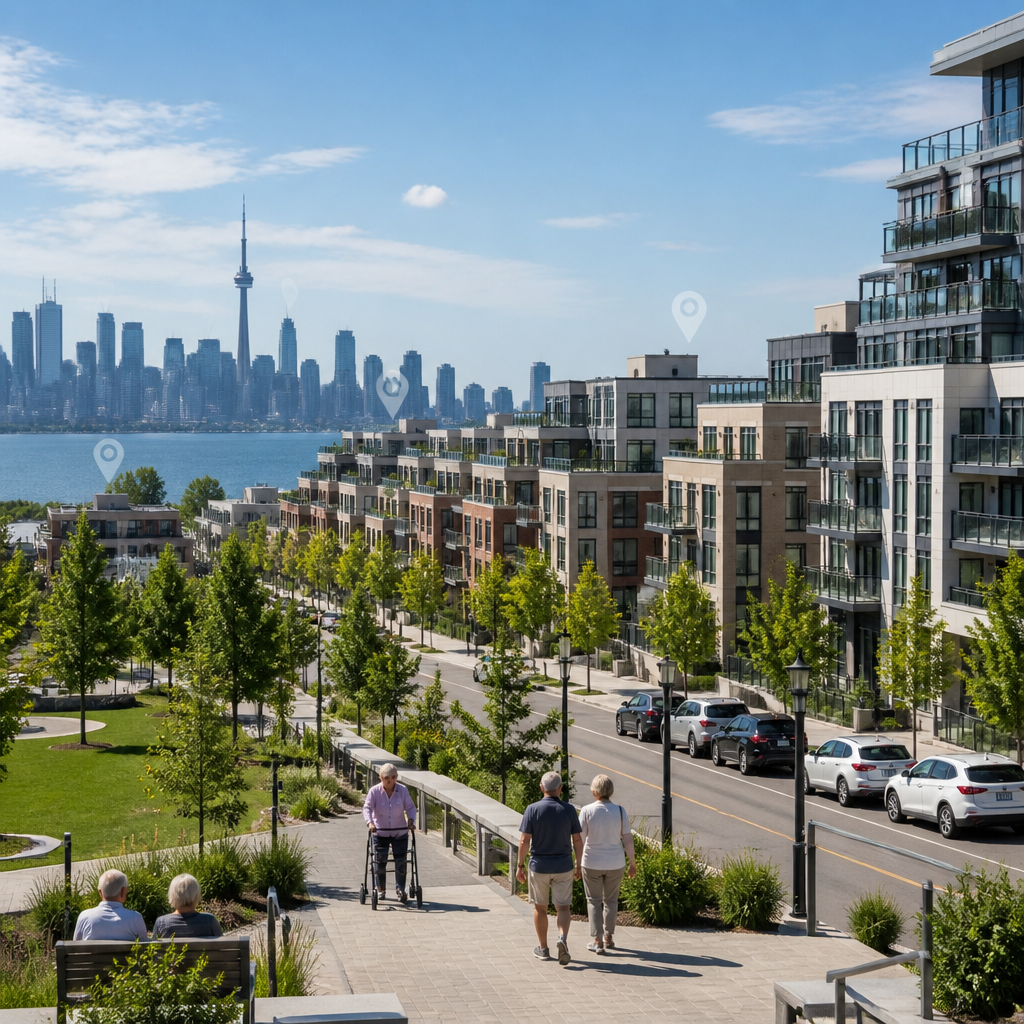
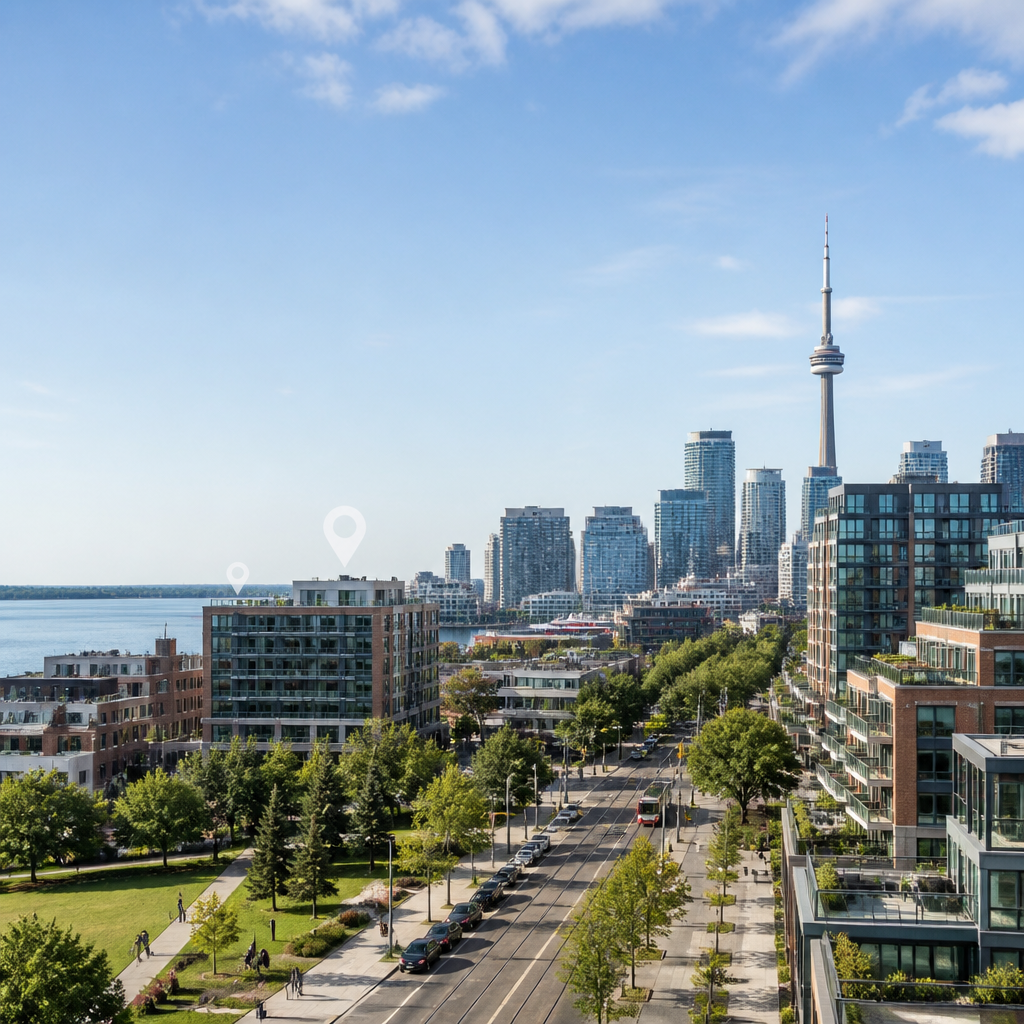
First Time Homebuyers in the Greater Toronto Area: Your 2026 Guide to Success
First Time Homebuyers in the Greater Toronto Area: Your 2026 Guide to Success The landscape for first time homebuyers in Greater Toronto Area continues to evolve as prices, rates, and policies shift. According to TRREB, the composite GTA home price sat near $1,108,000 in late 2024, with sales volume

Investment Properties in the Greater Toronto Area: Trends and Opportunities for 2026
Investment Properties in the Greater Toronto Area: Trends and Opportunities for 2026 Investment properties in Greater Toronto Area continue to attract capital as population and employment expand. According to Statistics Canada, the Toronto census metropolitan area surpassed 6.7 million residents in